Recent headlines about New World screwworm appearing in the United States have many pet owners asking the same question: Could this affect my pet?
The short answer is that the risk remains low for most pets, but awareness is important. New World screwworm is a parasite that was eradicated from North America decades ago. Recently, however, cases have been confirmed in Texas and New Mexico, including one case in a dog, which has prompted a coordinated response from animal health officials.
What Is New World Screwworm?
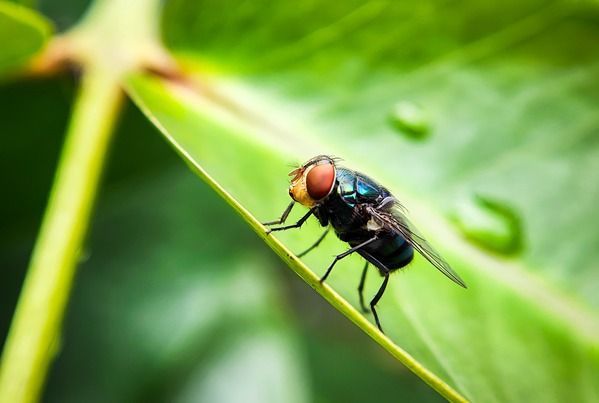
New World screwworm is a fly whose larvae (maggots) feed on living tissue. The flies are attracted to wounds, infected skin, and moist areas around the eyes, nose, ears, mouth, and genital region. Once their eggs hatch, large numbers of larvae are released and begin damaging tissue.
Unlike most maggots, which feed primarily on dead or diseased tissue, screwworm larvae burrow deep into healthy tissue, causing wounds to rapidly worsen, and attract even more flies.
Which Pets Are Most at Risk?
Any pet can be affected, but risk increases in animals with:
- Open wounds or recent surgery
- Skin disease or infections
- Chronic illness or weakness
- Incontinence or soiled fur
- Significant outdoor exposure
Signs to Watch For
Contact your veterinarian right away if you notice:
- A wound that is getting larger
- A foul odor from the skin
- Draining holes or tunnels in the skin
- Pain, irritation, or restlessness
- Decreased appetite or lethargy
- Visible eggs or maggots
Keep in mind that screwworm larvae often burrow deep into tissues and may not be easily visible.
What Happens If My Pet Is Infected?
Early treatment is critical. Veterinarians will clean the wound, remove larvae, treat any secondary infections, and may prescribe medications to eliminate remaining parasites.
Because of the current outbreak, the FDA has authorized the use of several common parasite-control products for treatment of screwworm infestations when appropriate.
How Can I Protect My Pet?
Fortunately, preventing screwworm infection is often straightforward:
- Check your pet regularly for wounds or skin problems.
- Keep wounds clean and monitor them daily.
- Keep your pet clean and dry.
- Manage allergies and skin infections promptly.
- Use veterinarian-recommended parasite prevention products.
The Bottom Line
The recent U.S. cases of New World screwworm are a reminder to pay close attention to wounds and skin problems in our pets. While most pets remain at very low risk, screwworm infestations can worsen quickly.
If you notice a suspicious wound or skin lesion, contact your veterinarian promptly. When it comes to screwworm, early treatment can make all the difference.
LifeLearn News
Note: This article, written by LifeLearn Animal Health (LifeLearn Inc.) is licensed to this practice for the personal use of our clients. Any copying, printing or further distribution is prohibited without the express written permission of Lifelearn. Please note that the news information presented here is NOT a substitute for a proper consultation and/or clinical examination of your pet by a veterinarian.
Archives
No archives to show.
Categories